-
Antiques in Space : a brief look at Ghorman in Andor.

The second season of the Star Wars series Andor introduces us to the planet of Ghorman. The simple description of the planet is that it is known for making fabric (via the indigenous spiders) and it is known around the galaxy for its high quality. What we see in the episodes (so far) are focused…
-
Sci-fi design inspiration for future cities.
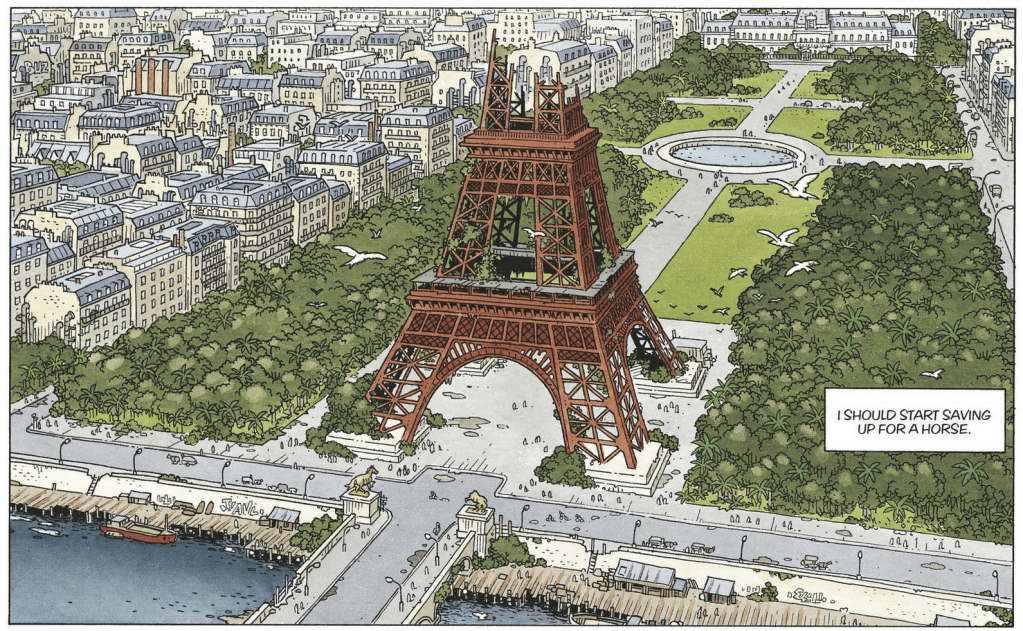
Science fiction and the future. Perhaps it is a mixture of the artist and the architect brain at work, but I like to have my science fiction include a high level of world building. The best forms of this I like to call “antiques in space”. This notion that we can still catch glimpses of…
-
Alphonse Mucha designs G. Fouquet – An Art Nouveau jewelry shop in Paris.

Times and moods change, but sometimes things that might get lost to the entropy of time find the ability to be saved. Opening in 1901, George Fouquet’s jewelry store on 6 Rue Royale was situated opposite the famous restaurant Maxim’s which had just been given its famous Art Nouveau interior in 1899 for the upcoming…
-
Sometimes there are no positive sides.
I was recently having a conversation with another of the Enfants Terribles from my graduate architecture program. We tend to find articles or media related to the ideas of our academic focus that our profs would argue against with us, and then we share them back and forth. It’s done in a way of, “see,…
-
Hauntology – An artisan city.
Perhaps this idea that has been developing in my mind is an offshoot of Hauntology. Not in the sense of failed political movements, but this notion of studying history and seeing a structure of life that no longer exists. I feel that this topic is a tightrope of avoiding pitfalls. For example, when telling architecture…
-
The home of Charles Rennie Mackintosh – An Art Nouveau home with a Scottish flair.

In 1906, Charles Rennie Mackintosh and his wife Margaret MacDonald moved into an end terrace home in Glasgow. (Terrace being the UK version of the US’ row house.) They renovated the home to be their own, which they lived in until 1916. They ended up selling the home in 1920, and it was demolished in…
-
In search of the urban Bohemians.
Bohemians, less in the sense of people from Bohemian, are an ever evolving subculture of artists. The term, as applied to subculture groups, originally comes from enclaves of immigrants from Bohemia immigrating to cities and artists adopting their ways of dress. One of the more prominent subcultures to adopt the moniker of “Bohemian” was that…
-
Holmwood House : a look at an innovative house of Victorian Scotland’s nouveau riche.

Located in Glasgow’s Southside in a park overlooking a ravine is a Victorian home constructed in 1857-8. The Holmwood House was designed and built for the James Couper, who owned a local paper mill with his brother that was located just below the home along the White Cart Water. While rambling along Lynn Park around…
-
A manor home in Bretagne.
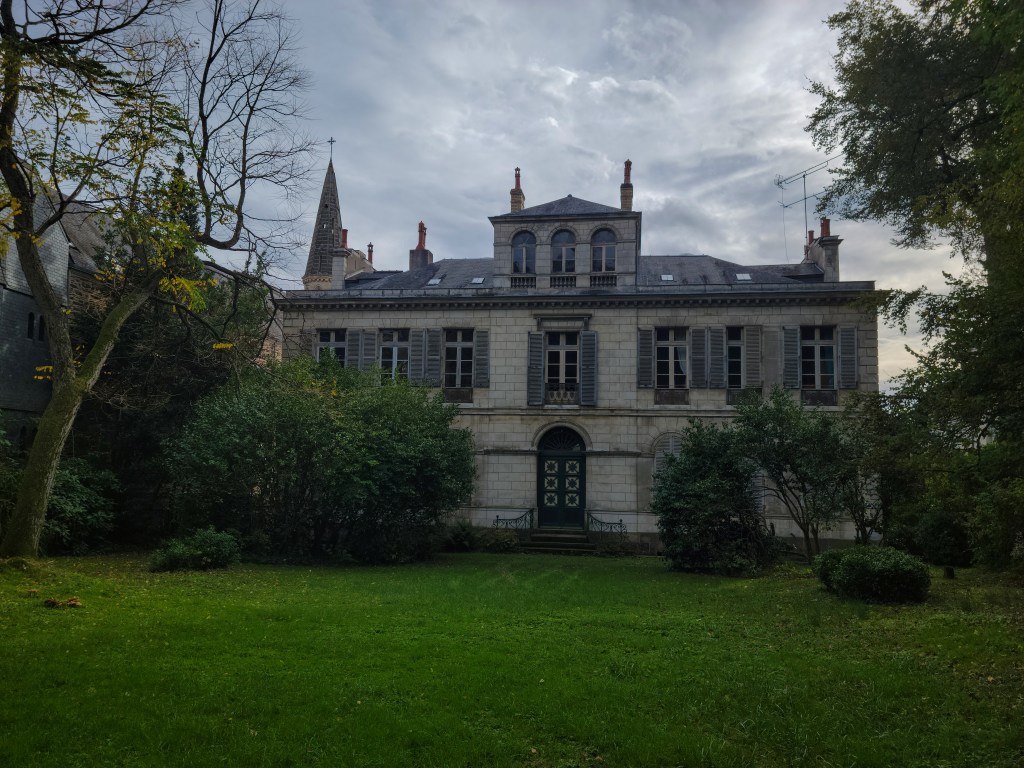
In my adventures, I was cast to be in a short film about time traveling while wandering through an old home. The home was an old manor home in Rennes, Bretagne, France that was a large family home. The state in which we arrived was that the elders of the family, who were the caretakers,…
-
Liverpool : Sudley House.
I was having a chat in a pub with a local who referred to the Sudley House as, “a Georgian home dressing up as Victorian.” Apparently that is because of the owners of the home. The original owners were during the Georgian Era (1714-1837) when the house was built in 1821, but the last…

High Contrast Grey.
A nomad, a collector, a flâneur, a bohemian artist, a tea cup kind of guy, a Master of Architecture currently in search of a new place to call home..
 High Contrast Grey.